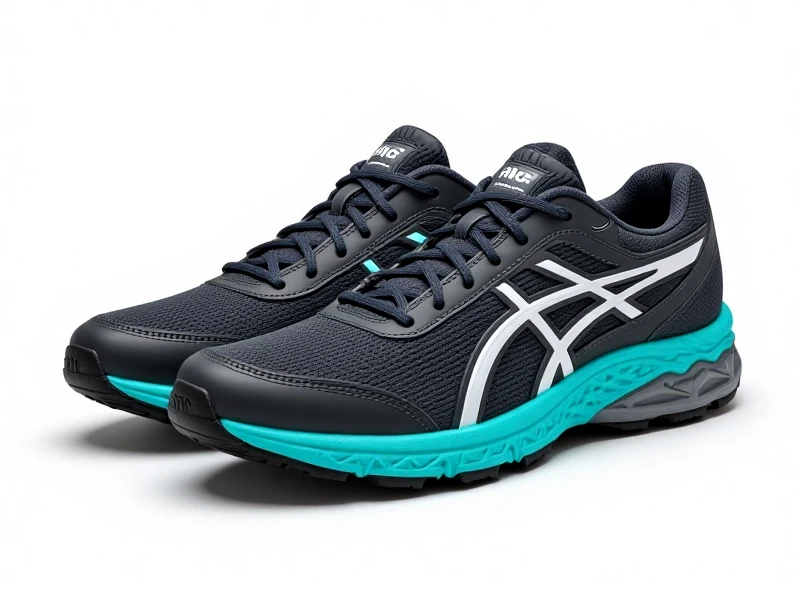
The Ultimate Guide to Finding Your Perfect Pair of Running Shoes
Hitting the pavement? Your most crucial piece of gear isn't your playlist; it's your running shoes. Choosing the right ones can mean the difference between a personal best and sidelining pain. Forget cookie-cutter recommendations; finding your ideal companion involves understanding your unique needs and the science behind the sneakers.
Why Fit is King (or Queen!)
Blister battles? Arch agony? Poor fit is often the villain. Your running shoes must accommodate your foot shape, stride, and distance preferences. Visit a specialty running store later in the day when feet are naturally slightly swollen. Get professionally fitted: experts analyze your gait (how you walk and run), foot strike pattern (where your foot lands), and arch height (flat, neutral, high). This insight is invaluable for selecting shoes offering the correct level of support and stability you need, preventing injury and maximizing efficiency. A correctly sized shoe has about a thumb's width of space between your longest toe and the end of the shoe.
Decoding Shoe Construction
Modern running shoes are sophisticated feats of engineering. Key features to consider:
- Cushioning: Absorbs impact, protecting joints. Amount varies from minimalist (less) to maximalist (plenty). Match cushioning level to your weight, running surface, and desired feel. More isn't always better!
- Support & Stability: Crucial for overpronators (feet rolling inward excessively) or those needing extra arch reinforcement. Look for medial posts or structured midsoles. Neutral runners usually require less structured support.
- Drop: This is the height difference (in millimeters) between the heel and forefoot. Lower drops (0-6mm) encourage a more midfoot/forefoot strike and feel closer to the ground. Higher drops (8-12mm ) are common in cushioned shoes and suit heel strikers. Transition slowly if changing drops drastically.
- Upper: Should be breathable, flexible, and secure without pressure points. Materials range from engineered mesh to knits, offering varying levels of ventilation and lockdown.
Don't Forget Terrain & Lifespan
- Road Shoes: Optimized for pavement or tracks, focusing on cushioning and responsiveness. Flexible soles.
- Trail Shoes: Essential for off-road adventures. Feature aggressive lugs (tread) for grip, rock plates underfoot for protection, and often sturdier uppers to repel debris and water.
- Lifespan: Track your mileage! Most running shoes cushioning and support degrade significantly between 300-500 miles (480-800 km), even if the tread looks okay. Running in worn-out shoes drastically increases injury risk. Listen to your body – if you start feeling more aches than usual, check your shoe's odometer.
The Takeaway
Investing time in selecting the right running shoes is an investment in your running future. Prioritize fit above all else, understand the technology relevant to your gait and goals, and match the shoe to your running surface. Replace them faithfully when they wear out. Your feet, knees, and personal records will thank you as you conquer mile after mile with comfort and confidence. Search for "running shoe fitting near me" to start your journey!