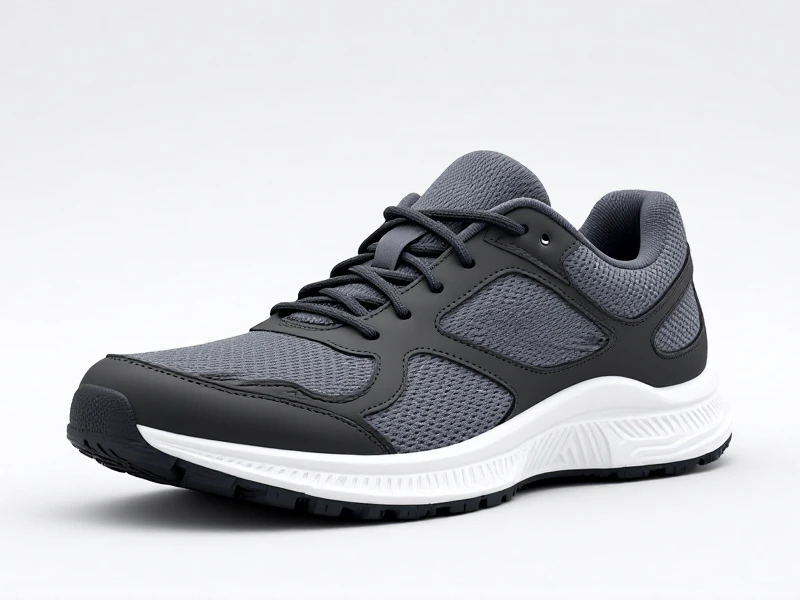
Your Ultimate Guide to Finding the Perfect Running Shoes for Every Runner
Choosing the right running shoes is essential for comfort, performance, and injury prevention, whether you're a daily jogger or training for a marathon. With so many options on the market, it's easy to feel overwhelmed. This guide will help you navigate the key features to look for in high-quality running shoes, ensuring you find a pair that matches your fitness goals and individual needs. By focusing on factors like fit, support, and cushioning, you can enhance your stamina and enjoy every run.
First, understand that not all running shoes are designed the same. They vary based on your running style and terrain. For instance, road running shoes offer lightweight designs with responsive cushioning for pavement, while trail running shoes feature durable outsoles and enhanced protection for rugged paths. If you're targeting long distances, stability running shoes provide extra arch support to reduce fatigue, whereas minimalist options give a barefoot sensation to improve natural gait. Testing different types allows you to discover which category aligns with your routine, whether you're sprinting on city streets or exploring nature trails.
Next, prioritize proper fit when selecting your running shoes for maximum comfort and efficiency. Always try shoes on later in the day when your feet are naturally fuller, mirroring how they expand during exercise. Focus on a snug but not tight heel fit—your toes need ample room to wiggle without slipping. Key elements like cushioning technology (such as foam midsoles) absorb shock, reducing stress on joints, while breathable uppers keep feet cool and dry. For added support, consider models with reinforced heel counters or orthotic compatibility if you have flat feet or high arches. Many runners find that rotating multiple pairs for varied runs extends shoe life and boosts overall performance.
It's equally important to replace your running shoes regularly to avoid injuries from worn-out materials. Typically, aim for a swap after 300-500 miles, depending on your mileage and body weight. Signs like visible sole wear, loss of bounce, or persistent foot pain often indicate it's time to refresh your gear. Investing in new running shoes not only rejuvenates your runs but also prevents issues like plantar fasciitis or shin splints. Regularly check for deals from reputable brands to make upgrades affordable without skipping on durability.
In summary, finding the best running shoes involves aligning your choices with your unique preferences—from terrain to fit quality. This attention to detail leads to more enjoyable sessions and long-term foot health. Share your running experiences with our community or visit our website for seasonal footwear insights. Lace up and hit the road confidently in your ideal pair!