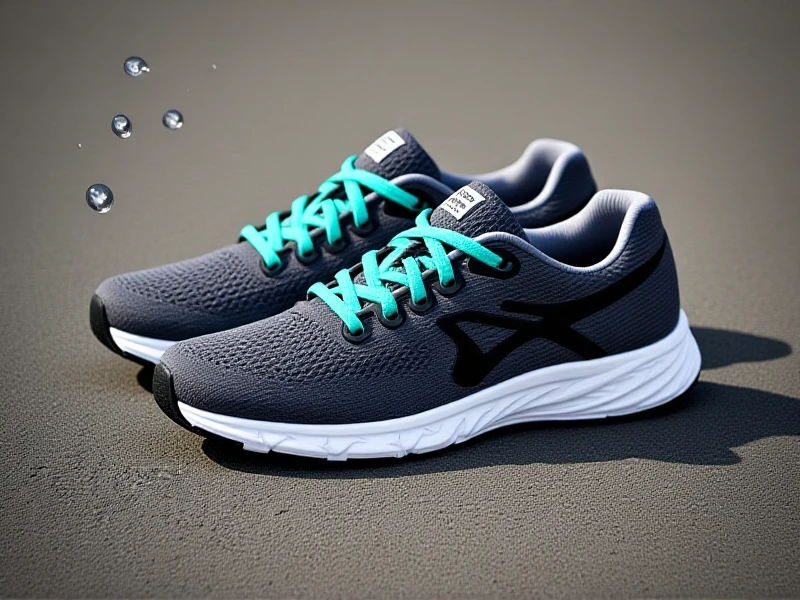
Finding Your Perfect Running Shoes: A Runner's Essential Guide
Hitting the pavement or trail starts from the ground up, and that means choosing the right running shoes. Your footwear is more than just gear; it's fundamental to comfort, performance, and injury prevention. Whether you're a casual jogger or chasing a marathon PR, understanding what makes a great pair is key.
Why do running shoes matter? Unlike regular sneakers, they're specifically engineered to handle the repetitive impact of running. They provide crucial cushioning, absorbing shock as your foot strikes the ground with forces significantly exceeding your body weight. Equally important is stability. Good running shoes offer support tailored to your foot's natural movement (your gait), helping guide your foot through its stride efficiently and reducing stress on ankles, knees, and hips. The right fit prevents painful blisters and black toenails, making your miles genuinely enjoyable.
Choosing your ideal pair revolves around several factors:
- Fit is Paramount: Your running shoes should feel snug but not tight, with about a thumb's width of space between your longest toe and the shoe's end. Width is crucial – your feet shouldn't feel squeezed.
- Know Your Gait: Understanding if you overpronate (roll inward), supinate (roll outward), or have a neutral stride dictates the support needed. Many running stores offer basic gait analysis to help.
- Cushioning vs. Responsiveness: Prioritize plush cushioning for maximum shock absorption on long runs or hard surfaces? Or prefer a more responsive, 'closer-to-the-ground' feel for speedwork? Modern shoes offer a wide spectrum.
- Surface Matters: Running shoes designed for roads (pavement) focus on cushioning. Trail runners boast aggressive treads for traction and extra protection on rugged terrain. There are also options designed for tracks.
- Weight & Drop: Lighter shoes often feel faster but might offer less cushioning. Drop (the height difference from heel to toe) affects your footstrike; common drops range from 0-12mm.
Investing time to select your perfect running shoes pays dividends in every run. Replace them every 300-500 miles as cushioning degrades, even if they look fine. Visit a reputable running store for expert advice, trying on shoes later in the day when feet are slightly swollen. Lace up with confidence and experience how the right foundation transforms your run. Your feet, and your running journey, will thank you.